
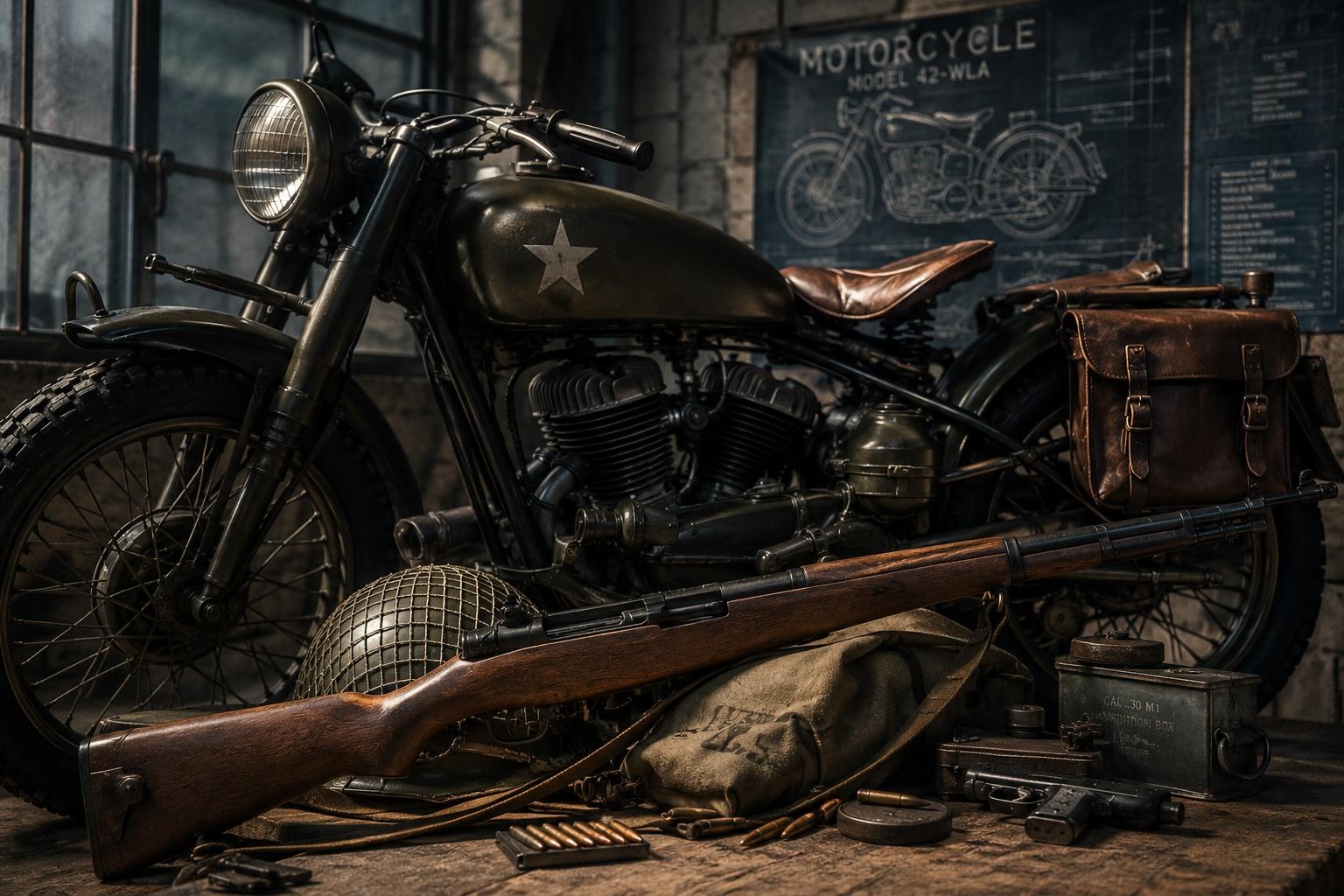

Many of the world’s most iconic motorcycle brands were either founded by weapons manufacturers or closely connected to military production. In fact, some legendary motorcycle companies originally built rifles, machine guns, artillery parts, or ammunition long before they ever produced two-wheeled machines.
This connection was not accidental. It emerged from economic necessity, engineering similarities, wartime production systems, and the evolution of industrial manufacturing during the late nineteenth and twentieth centuries.
The story of motorcycles and firearms is ultimately the story of industrial transformation itself.
How Wars Created Motorcycle Manufacturers
Throughout history, nations with strong military industries invested heavily in weapons factories. During wartime, these factories produced military equipment at enormous scale. However, when wars ended, governments reduced military contracts, leaving giant factories with expensive machinery and highly skilled workers but far fewer orders.
Manufacturers suddenly faced a difficult question: what should these factories produce in peacetime? For many companies, the answer became motorcycles.
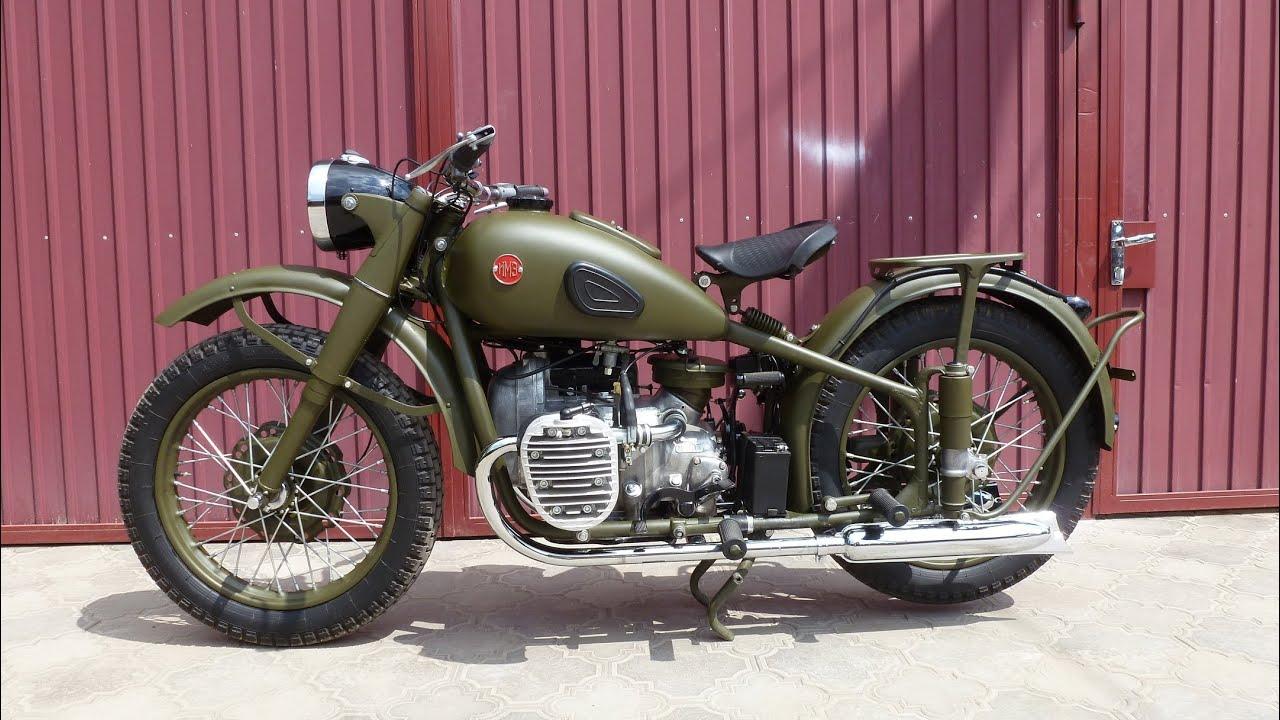
After major wars, especially following World War I and World War II, economies across Europe and Asia struggled with destruction, shortages, and financial instability. Cars were expensive and inaccessible for most people. Fuel and raw materials were limited. Roads were often damaged or poorly developed.
Motorcycles offered the perfect solution:
- affordable transportation
- low fuel consumption
- simple mechanics
- compact manufacturing requirements
- relatively low material costs
For weapons factories, motorcycles were also technically convenient to produce.
Why Firearms Factories Were Perfect for Motorcycle Production
Weapons manufacturing requires extremely precise engineering. Firearms components must be machined with tight tolerances and assembled with accuracy. As a result, arms factories already possessed:
- precision machine tools
- experienced metalworkers
- compact production lines
- highly trained engineers
- expertise in metallurgy and mechanical systems
These same capabilities translated naturally into motorcycle manufacturing.
Automobile engines were often too large and required massive assembly systems. Motorcycle engines, on the other hand, were compact, mechanically intricate, and ideal for facilities already designed to produce smaller precision components.
Even motorcycle frames and suspension systems benefited from military engineering experience. Companies skilled in producing durable military hardware often created motorcycles known for reliability and toughness.
Another major advantage involved wartime readiness. If another conflict erupted, factories producing motorcycles could sometimes be converted back into weapons manufacturing relatively quickly. Governments considered this industrial flexibility strategically valuable.
Husqvarna: From Muskets to Modern Off-Road Machines
One of the most famous examples is the Swedish company Husqvarna. Founded in 1689 as a royal weapons factory, Husqvarna originally produced muskets for the Swedish army. Over the centuries, the company expanded into numerous industrial products before entering motorcycle manufacturing in the early twentieth century.
Today Husqvarna is globally recognized for:
- motocross motorcycles
- enduro bikes
- adventure motorcycles
- off-road racing machines
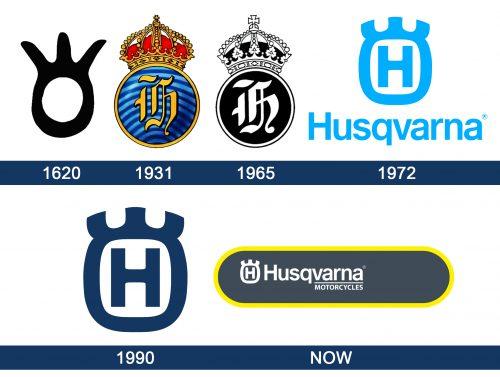
Yet the company’s logo still reflects its firearms heritage. The emblem resembles the view through a gun sight or rifle barrel.
Interestingly, Husqvarna later diversified into multiple independent businesses, including outdoor power equipment such as chainsaws and lawn mowers. Although these divisions are now separate companies, all of them trace their origins back to the same historic Swedish arms manufacturer.
BSA: Britain’s Legendary Arms and Motorcycle Giant
Another iconic example is BSA — the Birmingham Small Arms Company. Originally founded to manufacture military firearms in the United Kingdom, BSA eventually became one of the largest motorcycle manufacturers in the world.
By the 1930s and 1940s, BSA motorcycles were incredibly popular across Europe and the British Empire. The company also owned Triumph for a period, further strengthening its influence in the motorcycle industry.
BSA motorcycles became known for:
- durability
- simple engineering
- military use
- reliability in harsh conditions
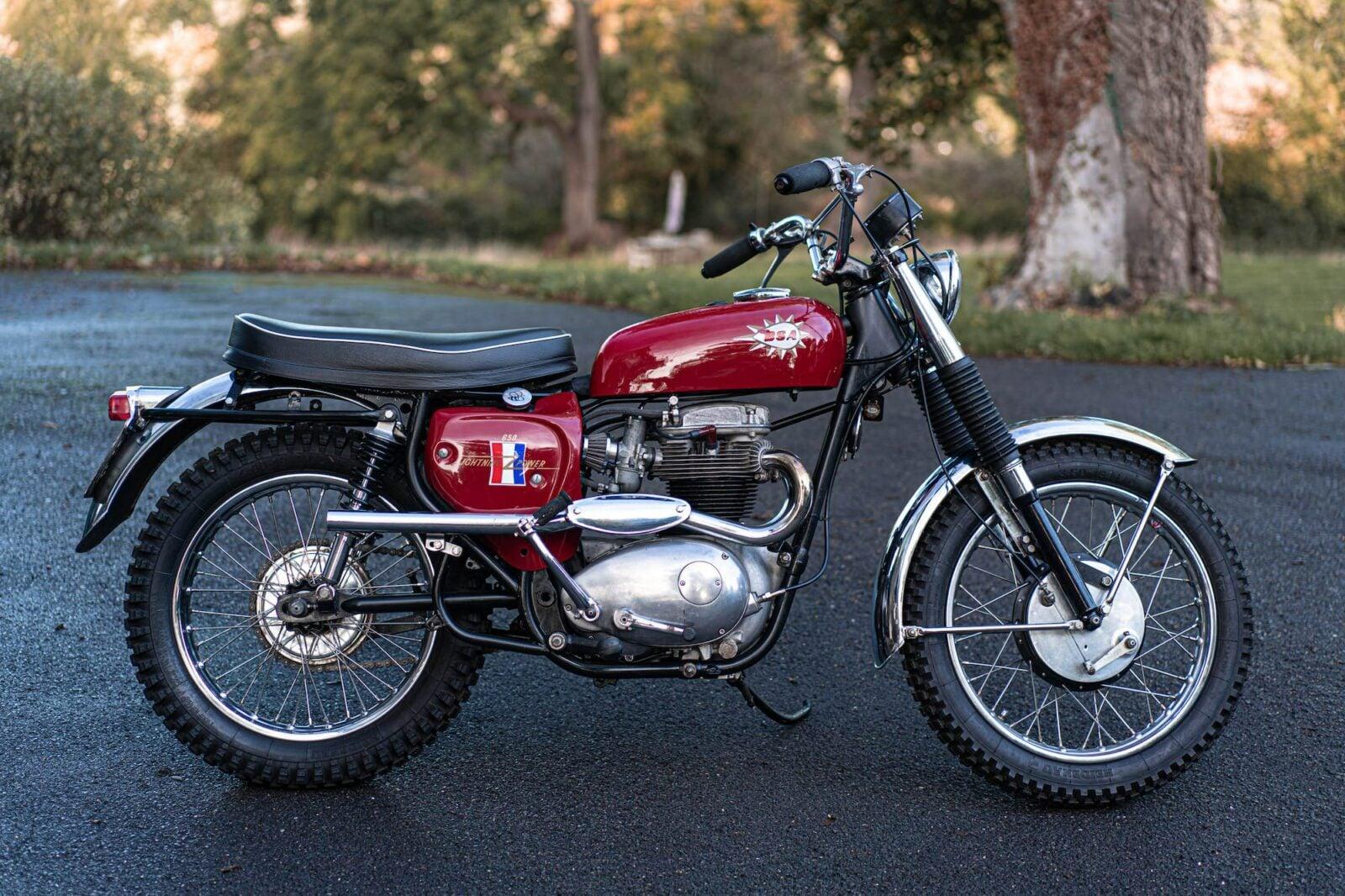
During wartime, BSA supplied both weapons and motorcycles for military operations. Dispatch riders using BSA motorcycles became a common sight during World War II.
Today, the original BSA industrial empire no longer exists in its former form. The firearms division evolved separately, while the motorcycle brand has experienced several revival attempts in recent years.
Royal Enfield and the Military Legacy of India
Royal Enfield is another company deeply connected to military production. The brand began producing motorcycles in 1901 while also manufacturing components related to firearms and military equipment. The company’s famous slogan, “Made Like a Gun”, openly highlighted its weapons-industry origins.
Royal Enfield motorcycles were widely used by military forces, particularly in India, where the company eventually established large-scale production facilities. While the original British company disappeared decades ago, its Indian successor transformed Royal Enfield into one of the world’s fastest-growing motorcycle manufacturers.
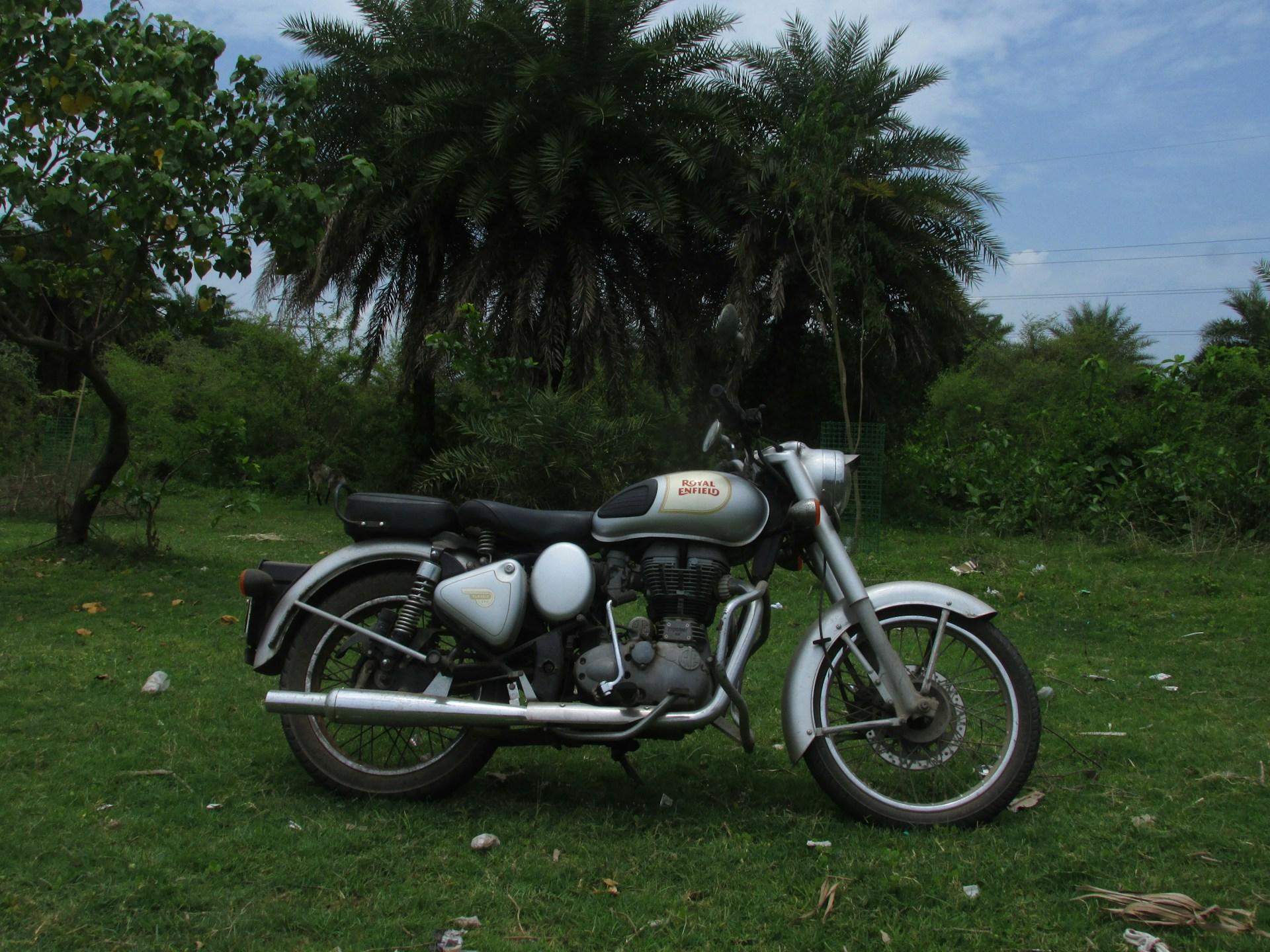
Modern Royal Enfield motorcycles preserve their military-inspired styling and classic engineering philosophy. Even model names such as Bullet maintain subtle connections to firearms terminology.
CZ: The Czech Manufacturer That Chose Weapons Over Motorcycles
The Czech company CZ provides another fascinating example. Initially known for firearms manufacturing, CZ later became a respected motorcycle producer during the twentieth century. Its motorcycles gained popularity across Europe and other international markets due to their simplicity and reliability.
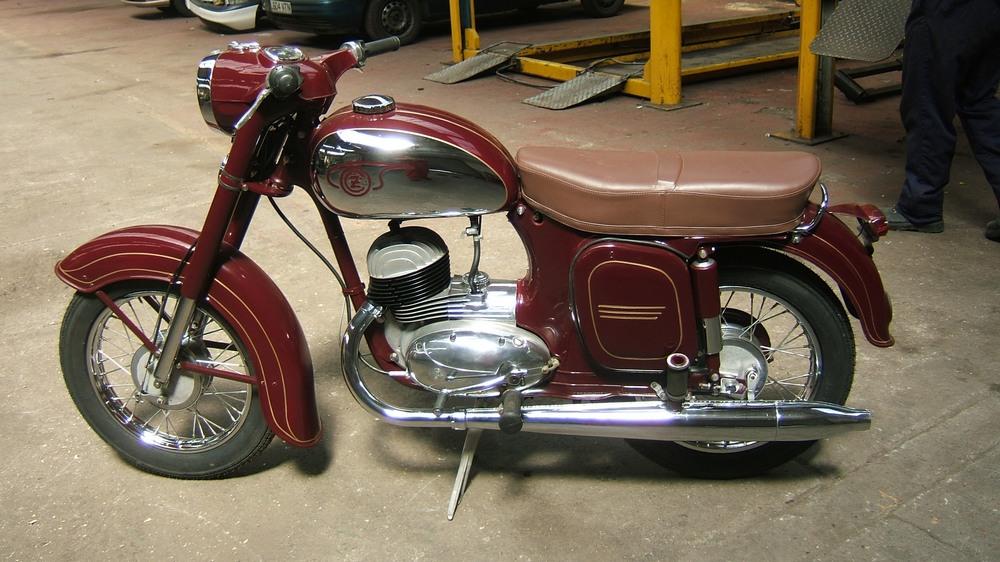
However, over time the firearms business proved more profitable than motorcycle production. Eventually, the company abandoned motorcycles and focused entirely on weapons manufacturing.
Today CZ is internationally recognized for:
- pistols
- hunting rifles
- competition firearms
- military weapons
Nevertheless, vintage CZ motorcycles remain highly collectible among enthusiasts.
Benelli: A Rare Case of the Reverse Transition
Unlike many other companies, Benelli followed the opposite path. Founded in Italy in 1911 as a motorcycle manufacturer, Benelli later expanded into firearms production during the 1960s. The company achieved success in both industries simultaneously.
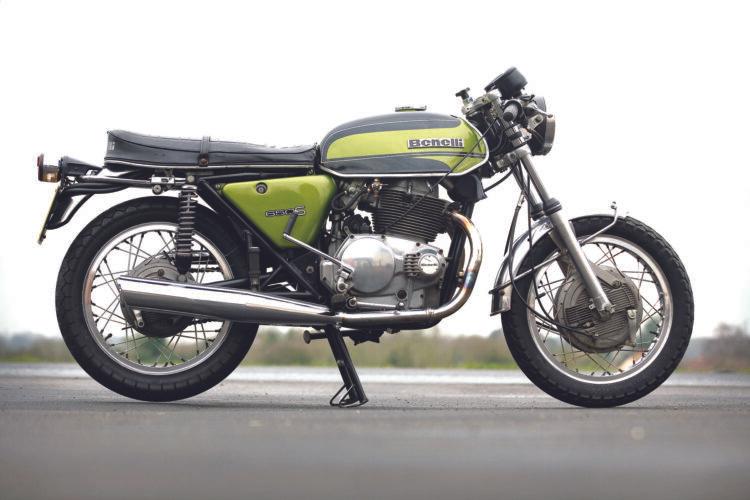
Today the Benelli brand exists in two distinct forms:
- Benelli motorcycles, now owned by Chinese motorcycle giant QJ Motor.
- Benelli firearms, part of the Beretta Holding group.
Both divisions continue to operate successfully while preserving the historic Benelli identity. Benelli firearms are especially respected for semi-automatic shotguns, hunting weapons, tactical firearms, competition shotguns.
Meanwhile, Benelli motorcycles remain popular among riders seeking Italian styling combined with modern engineering.
FN Herstal: The Belgian Innovator
Belgian manufacturer FN Herstal is famous worldwide for iconic firearms such as FN FAL, P90, Five-seveN, SCAR rifles. However, fewer people realize that FN also played a major role in early motorcycle history.
In 1905, the company introduced the FN Four, one of the world’s first production motorcycles with an inline four-cylinder engine. At a time when most motorcycles used simple single-cylinder engines, FN’s design was revolutionary. The motorcycle demonstrated extraordinary engineering sophistication for its era and helped establish FN as a serious innovator in transportation technology.
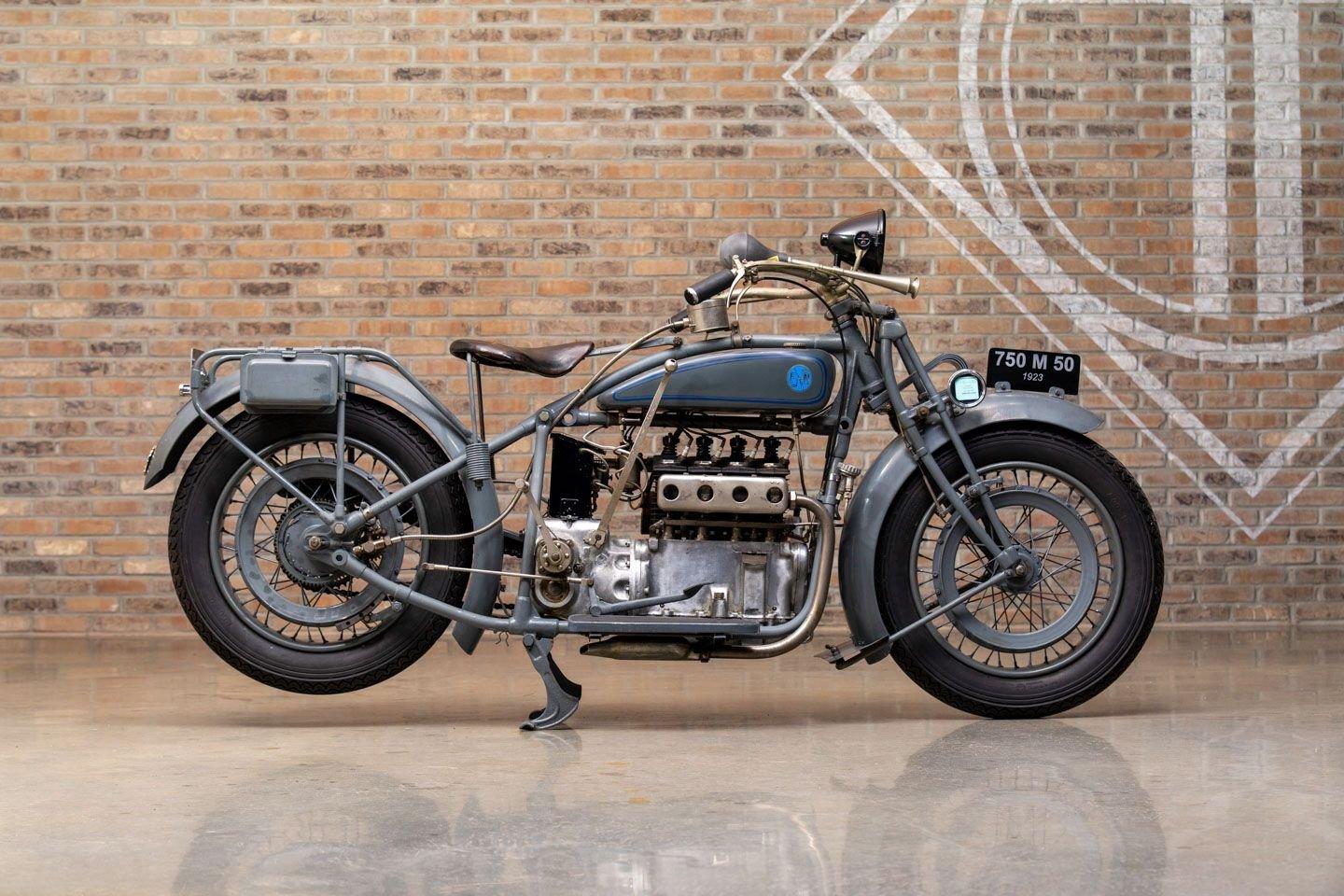
Although FN eventually abandoned motorcycle manufacturing, its contribution to motorcycle engineering remains historically important.
Steyr-Daimler-Puch: Austria’s Industrial Powerhouse
Austria’s Steyr-Daimler-Puch was another industrial giant deeply involved in both military and civilian engineering. The company produced rifles, military equipment, trucks, automobiles, motorcycles, and scooters.
Its motorcycles were technologically advanced and often featured sophisticated multi-cylinder or opposed-cylinder engines. Steyr-Daimler-Puch also became famous for engineering vehicles with exceptional durability, many of which were designed with military applications in mind.
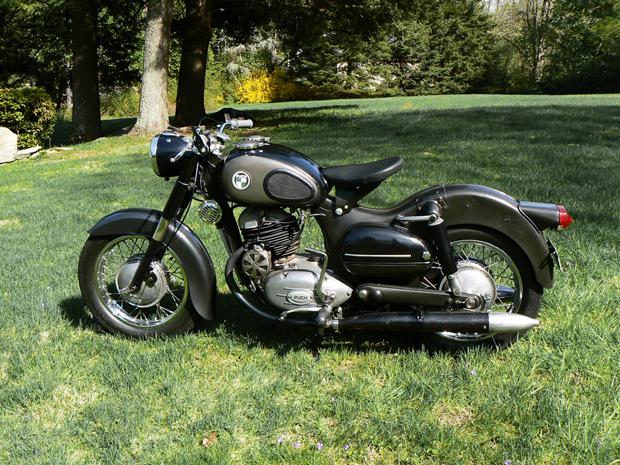
Even the company’s branding reflected its weapons-industry roots, incorporating imagery associated with rifle sights and barrels.
Moto Guzzi and Wartime Engineering
Although not originally a weapons manufacturer, Italy’s Moto Guzzi developed close ties with military engineering and aviation industries during the twentieth century. The company produced motorcycles for military use and incorporated aircraft-inspired engineering into many of its designs. Several Moto Guzzi engineers had backgrounds in military aviation mechanics following World War I.
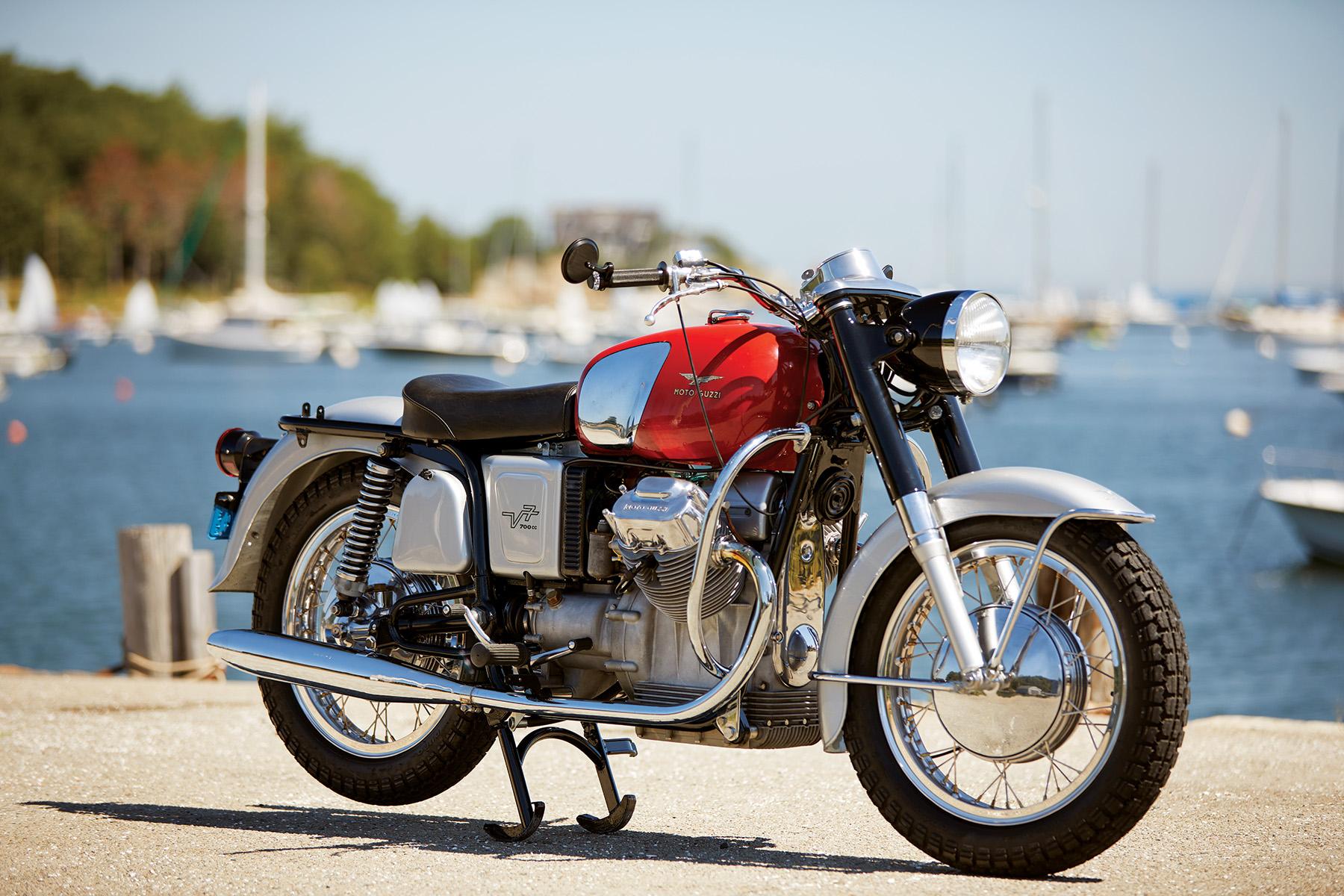
This connection influenced the company’s famous longitudinal V-twin engine layout, which became one of the most recognizable motorcycle configurations in the world.
Harley-Davidson and Military Production
American manufacturer Harley-Davidson also shares strong historical ties with military production. During both World Wars, Harley-Davidson supplied thousands of motorcycles to the U.S. military. The company became a critical transportation provider for:
- reconnaissance units
- dispatch riders
- military police
- logistics operations
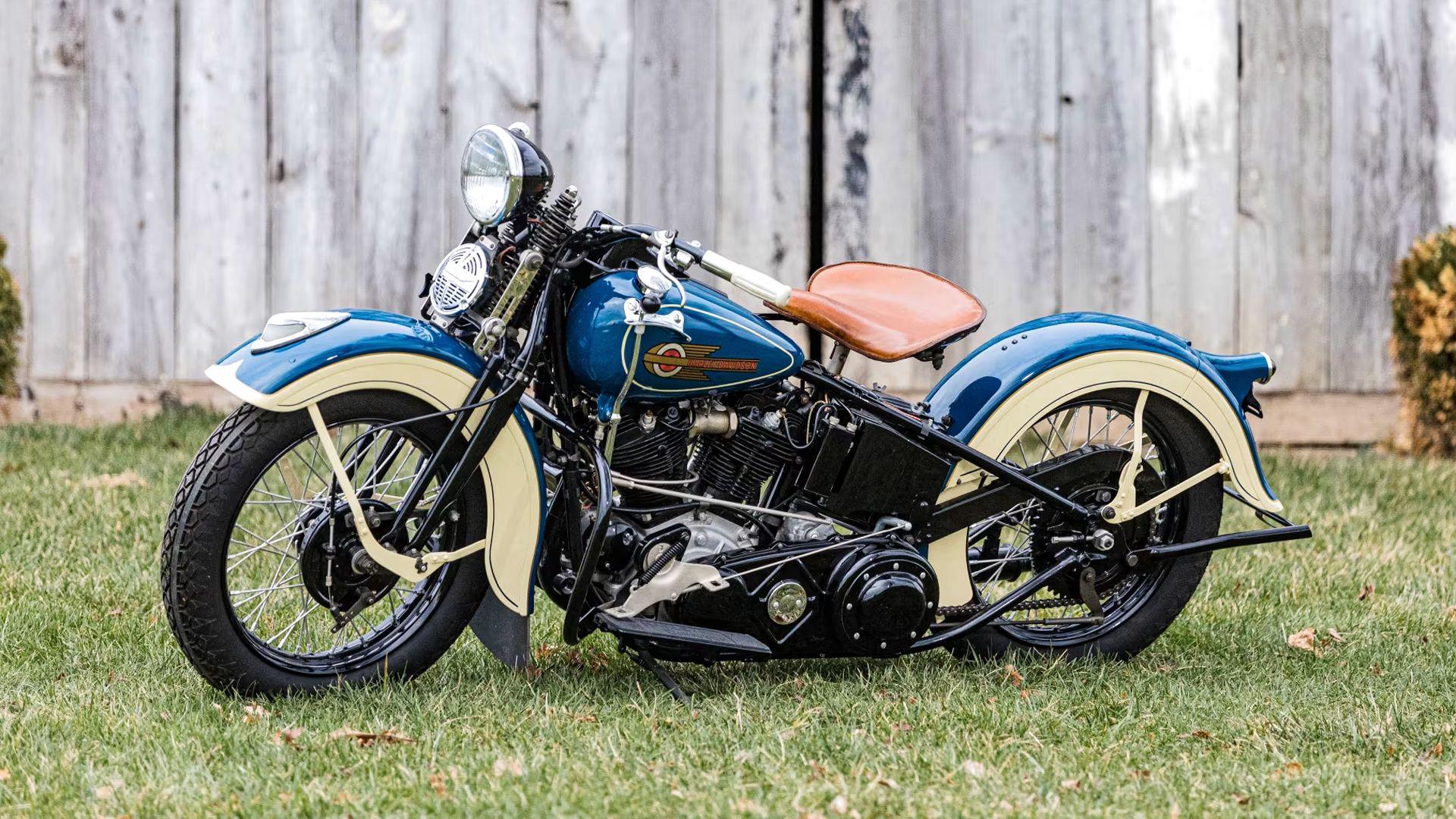
Military demand helped Harley-Davidson survive difficult economic periods and significantly influenced the company’s engineering philosophy. Although Harley-Davidson never became a firearms manufacturer, its history demonstrates how closely motorcycle development and military needs were intertwined during the twentieth century.
Why This Industrial Phenomenon Is Disappearing
Today, the overlap between motorcycles and firearms production is becoming increasingly rare. Modern industries are highly specialized. Motorcycle companies often assemble machines using components sourced from dozens of suppliers:
- engines from one company
- electronics from another
- suspension systems from specialized manufacturers
- braking systems from separate engineering firms
Likewise, firearms manufacturing now depends on advanced technologies, strict regulations, and highly specialized production environments.
The era when a single factory could produce rifles during wartime and motorcycles during peace has largely disappeared. Globalization, supply-chain specialization, automation, and modern industrial economics have transformed manufacturing into a far more segmented process.
Why the Connection Between Motorcycles and Firearms Still Fascinates People
Despite the decline of this industrial model, public fascination with it continues to grow. The reason is simple: these companies represent far more than machines. They symbolize:
- industrial innovation
- postwar recovery
- mechanical craftsmanship
- military history
- technological evolution
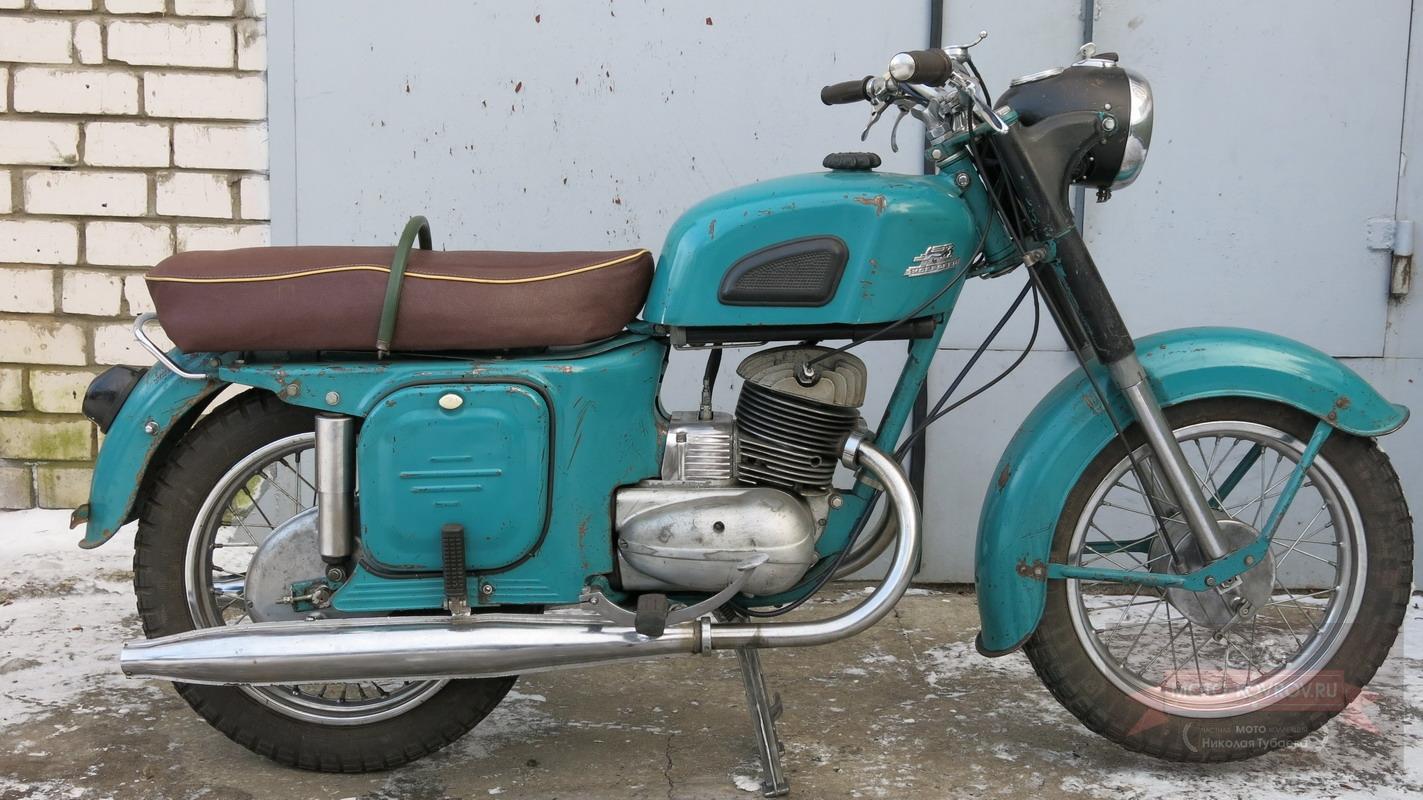
Many of the motorcycles produced by former weapons manufacturers are now considered collector’s items. Others remain in active production and continue shaping modern motorcycle culture. The connection between motorcycles and firearms reveals how industries evolve under pressure, adapt to changing societies, and transform military technology into civilian mobility.
It is a story not only about machines, but about engineering ingenuity, economic survival, and the remarkable ability of industry to reinvent itself across generations.