
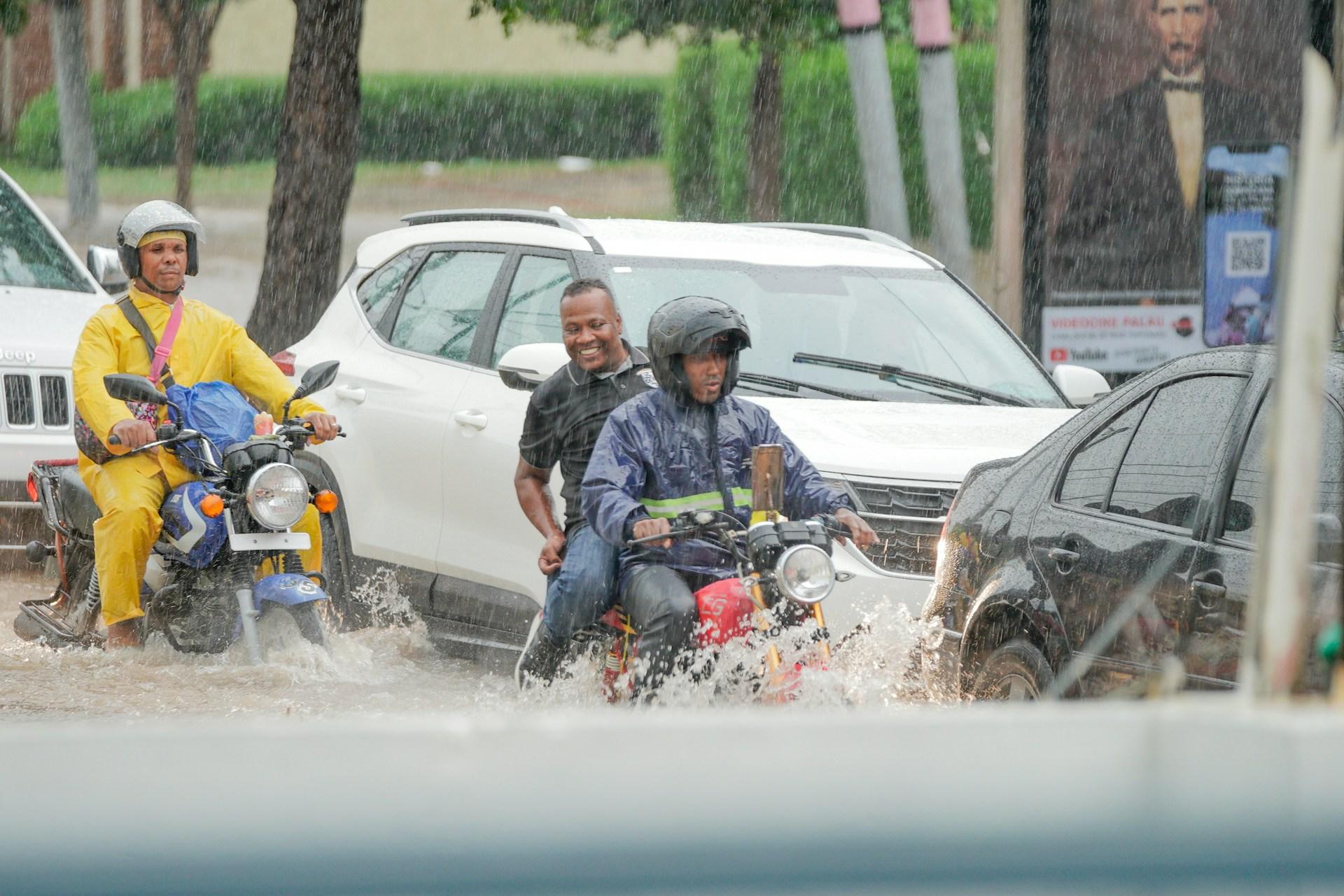

What should you expect from riding in the rain, and what adjustments should you make to your technique?
Tip 1: Choose the Right Gear
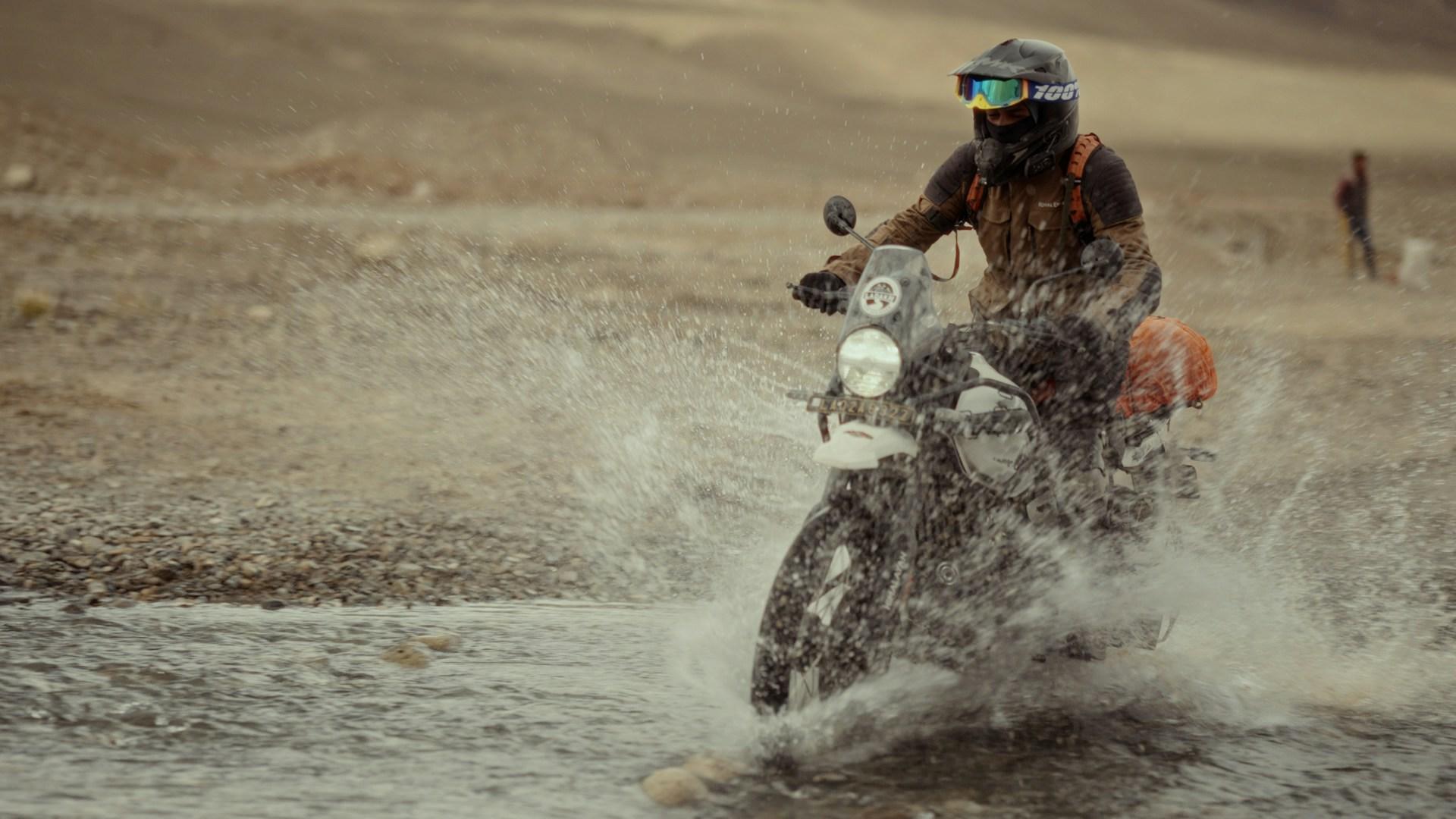
Good waterproof clothing, a rain suit (one-piece or two-piece), gloves, boots, and possibly a heated vest, will help you stay dry and warm even during a prolonged downpour. This is the first step toward actually enjoying a rainy day ride. Gear with bright elements may not be the most fashionable, but in conditions of limited visibility it increases your chances of being noticed by other drivers. It’s also wise to wear several thin layers in case the temperature drops.
Your helmet is another important, but often overlooked, factor. It should be equipped with an anti-fog visor insert (such as Pinlock), a breath deflector, or even a heated visor. It’s better to leave a tinted visor at home or carry a clear spare with you, the last thing you need in the rain is a dark shield. Always try to keep your visor closed, if moisture gets inside, it will be extremely difficult to get rid of the fogging.
Whatever gear you choose, it must not interfere with control. You won’t be able to properly handle the motorcycle with numb fingers, but overly warm gloves can be too bulky. A warm balaclava may restrict head movement when checking your blind spots. You’ll need to find a balance between comfort and practicality.
If you commute to work in the rain, keep a spare set of clothes at your workplace, just in case.
Tip 2: Ride Smoothly and Sensibly
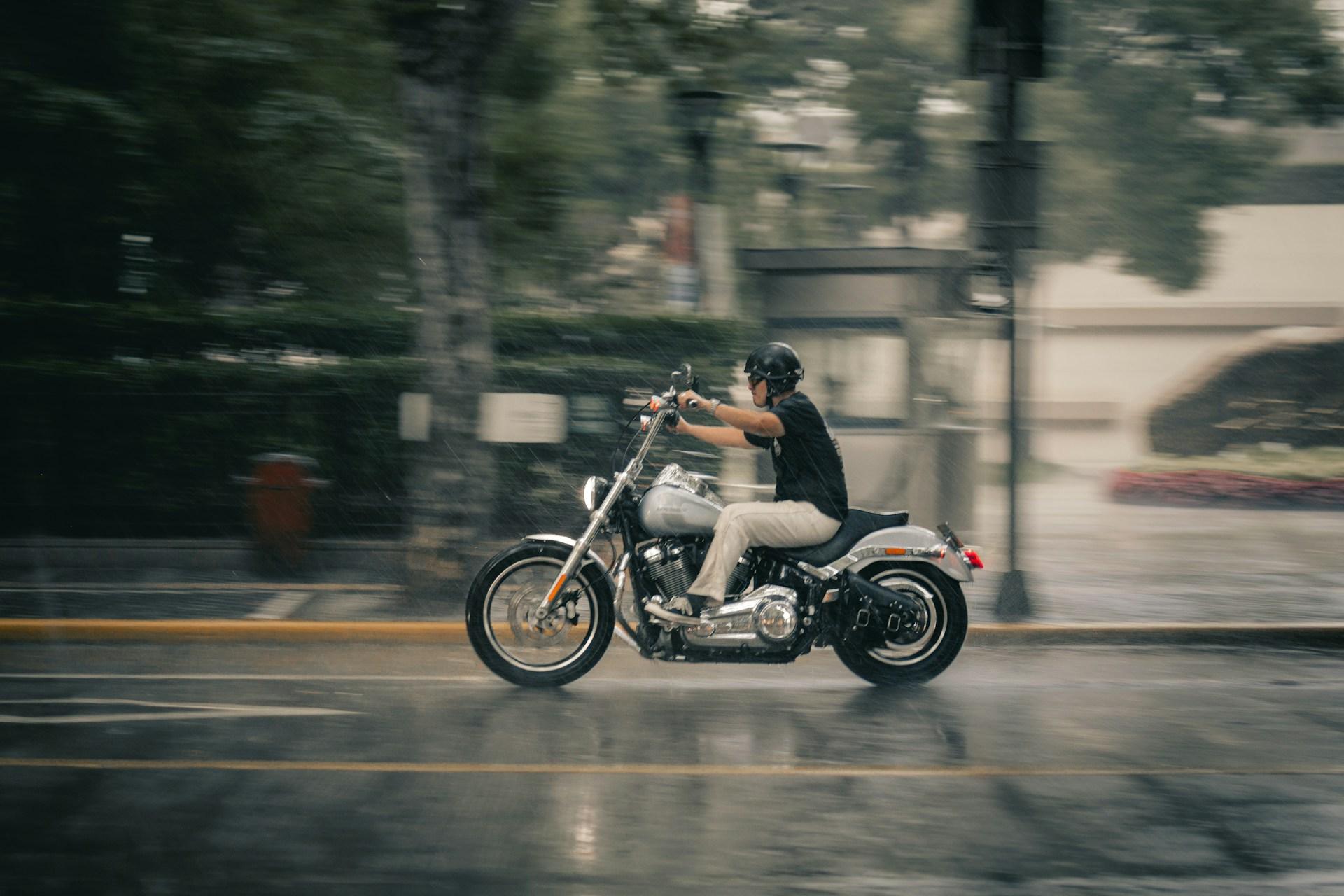
In the rain, smoothness is key. Every action on the motorcycle, throttle control, braking, cornering, should be gentle and gradual. It’s no coincidence that many modern motorcycles come equipped with rain modes that reduce power, soften throttle response, and increase the intervention of ABS and traction control.
Even with electronic aids, open and close the throttle progressively and avoid sudden lean angles. The more upright the motorcycle remains, the lower the risk of losing traction if you hit a slippery surface. Increase your following distance, use engine braking, and apply the brake levers gently.
Tip 3: Be Wary of Intersections
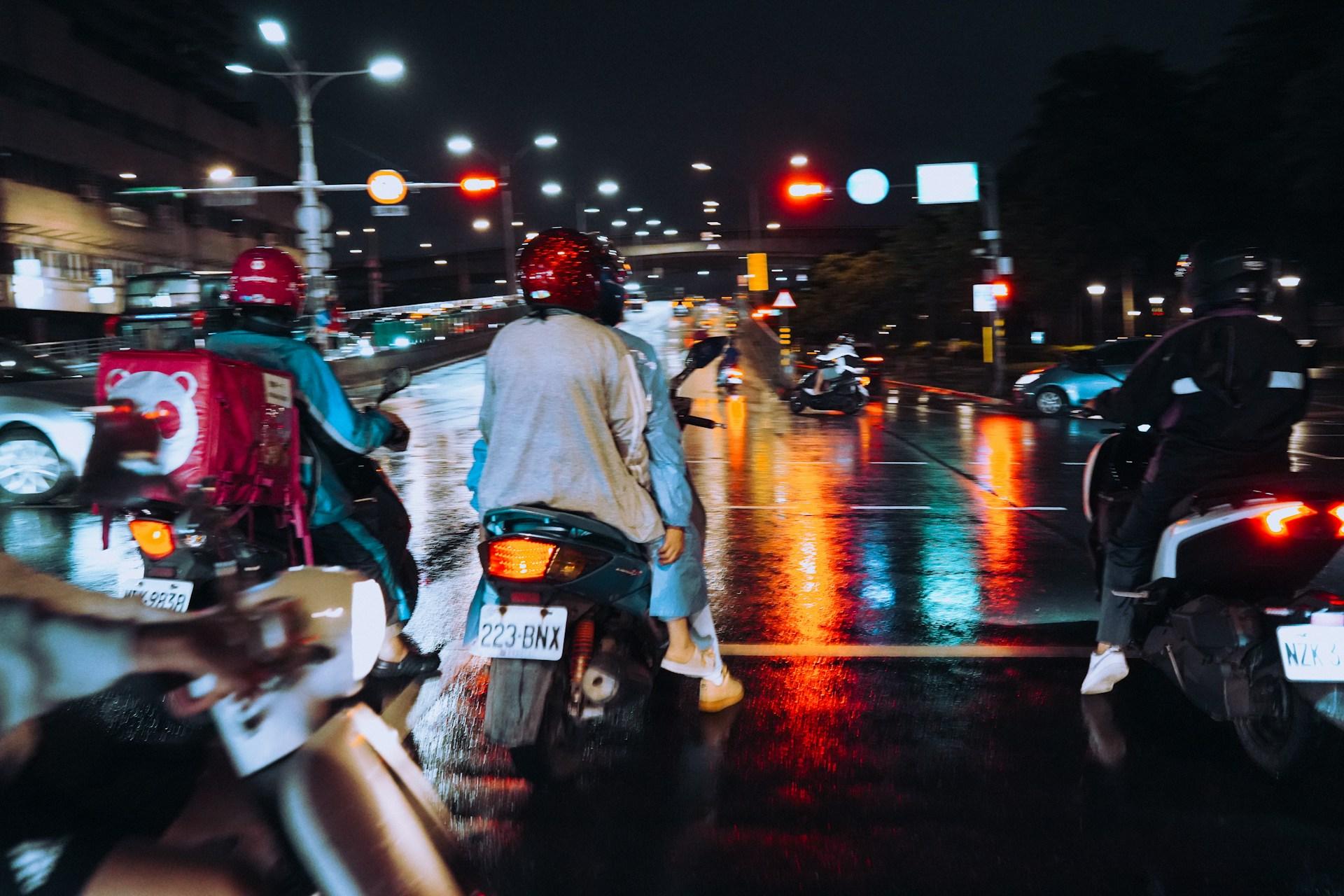
Intersections are dangerous even in dry weather, and even more so in the rain. Oil often accumulates there, cars may leave puddles of fuel, road markings become slippery, and drivers get distracted.
Roundabouts are especially tricky, surfaces can be slick at the entrance, exit, and throughout the circle. Approach slowly, avoid hard braking and excessive lean, and you’ll make it through the turn on two wheels.
Tip 4: Watch for “Surprises”
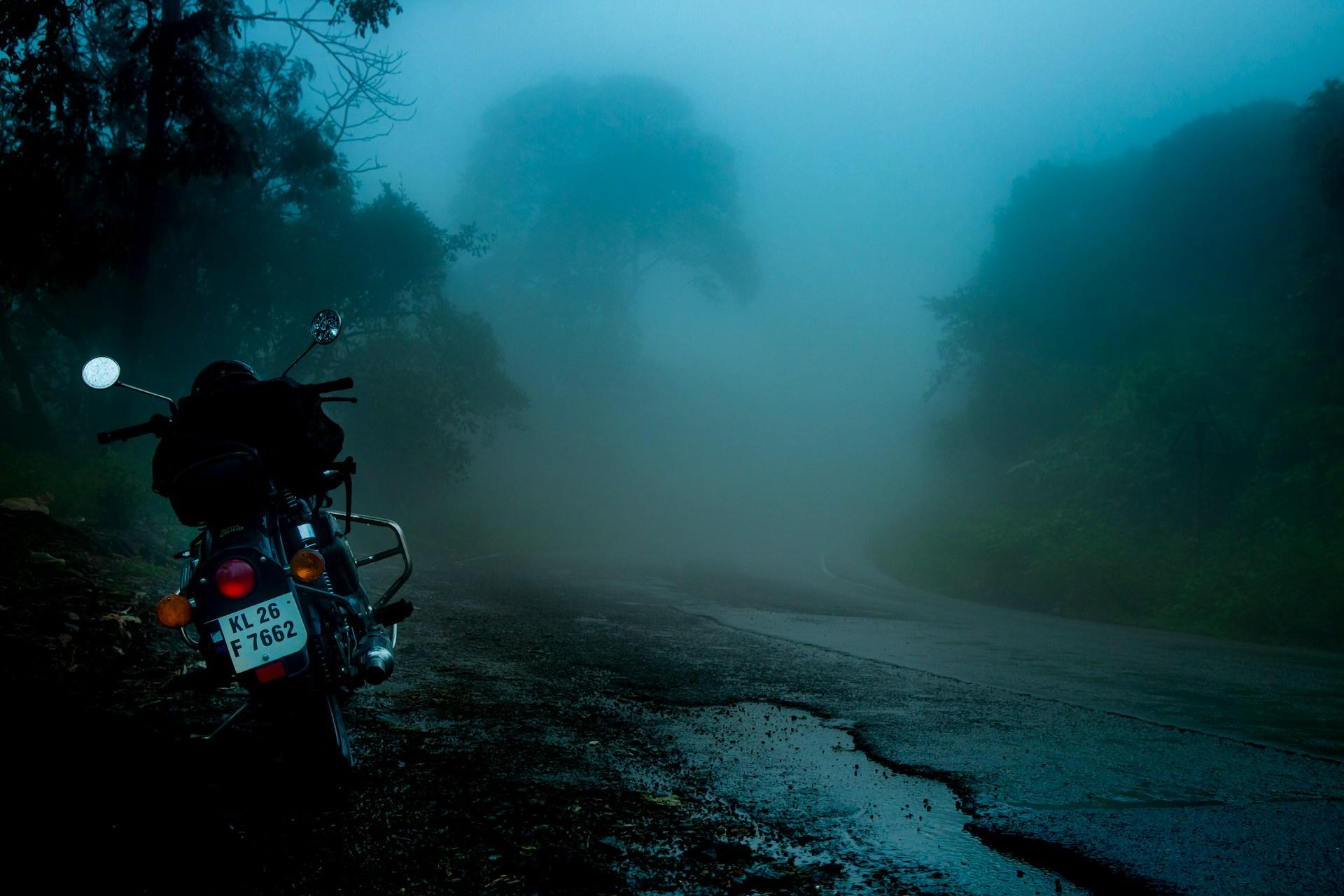
On wet roads, sections that seem harmless in dry conditions can become traps: manhole covers, tar snakes, road markings, wet leaves, all can offer grip similar to black ice. If possible, ride around them; if not, avoid braking or accelerating abruptly, just pass over them without sudden movements.
If you must maneuver on a slippery surface, keep a light grip on the handlebars and don’t lean the motorcycle more than necessary.
Puddles are also hazardous, especially on highways where higher speeds leave little time to react. Water collects in low spots, often in the left lane near guardrails where drainage is poor. Avoid that lane and watch the spray from vehicles ahead, it will show you where the water is.
Tip 5: Look for the Dry Line
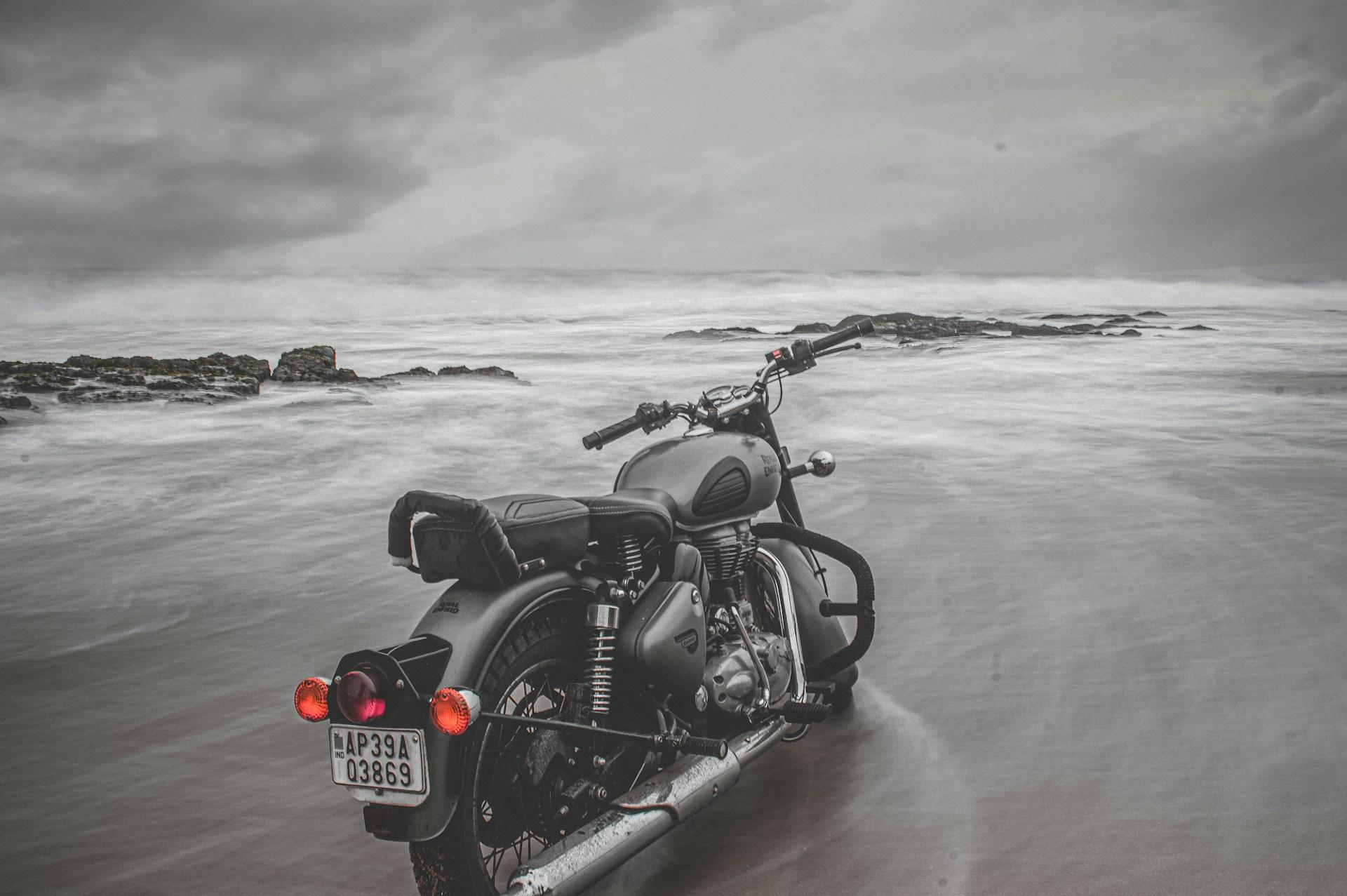
It may seem obvious, but many riders travel along the wet part of the lane even when a dry strip is nearby. Dry asphalt provides better traction and control. Usually, the driest areas are the tracks left by car tires. Try to position yourself there whenever possible.
Over time, by applying these tips, you’ll find that riding in the rain, even on long trips, can be enjoyable, while also making you a more confident and experienced motorcyclist. Of course, every ride is different, and city riding in bad weather will likely remain the most stressful, but rain is no reason to give up your motorcycle.